Let me tell you about my experience in Tokyo, because before I went, I genuinely didn’t know what to expect. People always say it’s one of the most advanced cities in the world, but also overwhelming, expensive, and a bit confusing at first. Honestly, it’s all of that, but in the best possible way.
Tokyo is one of those cities where every neighbourhood feels like a completely different world. You can go from chaotic neon streets packed with energy to peaceful shrines that feel like you’ve stepped back in time, all within a 10–15 minute train ride. That contrast is what makes it so addictive.
The first thing that hits you is how efficient everything is. The trains are on time to the second, everything is clean, and even when the city is busy, it never feels chaotic in a stressful way. It just works. You do need to get used to navigating it, though, because Tokyo is huge and made up of multiple “mini-cities” rather than one central area, so you’ll need to be here for at least three nights. Let’s cover some of my favourite districts.
Shibuya – chaos, energy, and neon lights
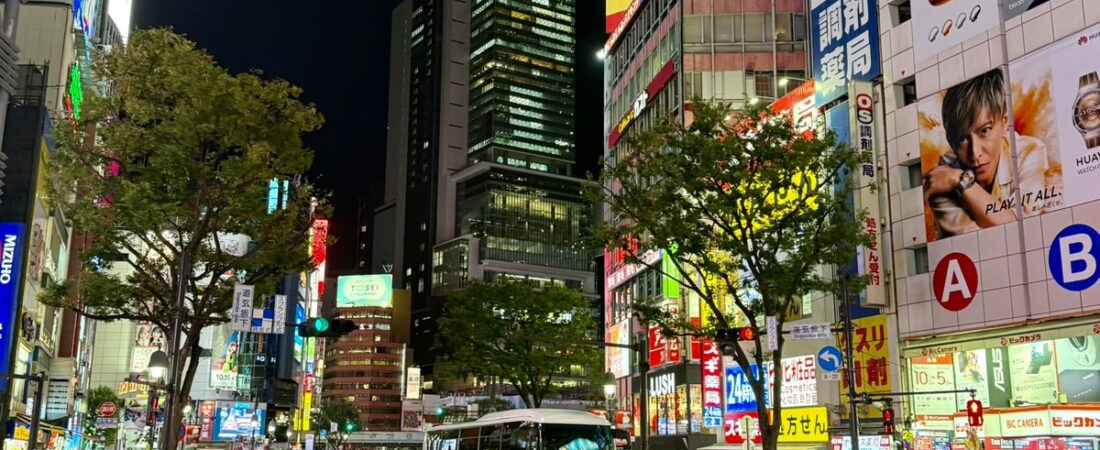
Shibuya is probably the first place most people experience, and it instantly sets the tone for Tokyo. Shibuya Crossing is where I went on my first morning there, and it was as chaotic as it looks online. Somehow, though, it’s organised chaos. Hundreds of people cross at once, neon billboards are everywhere, music blasts from stores, and yet everything flows perfectly.
At night, it feels unreal. You can just stand there and watch the world move around you. The whole area is packed with shops, restaurants, arcades, and rooftop bars. If you want that “Tokyo movie scene” feeling, this is it.
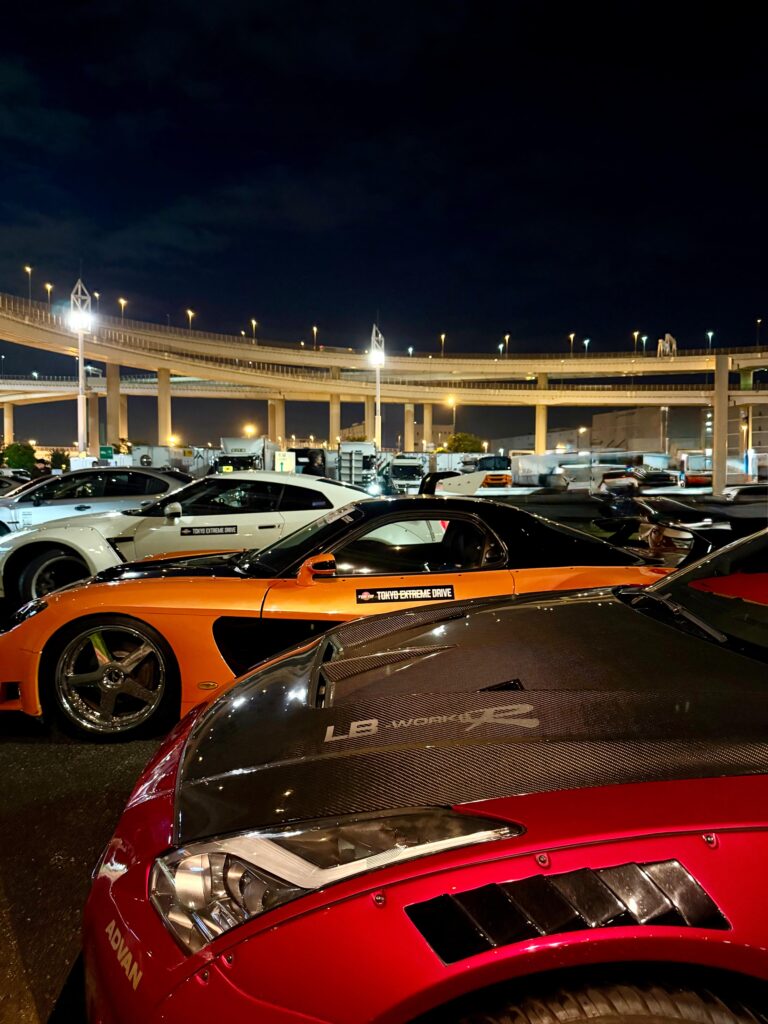
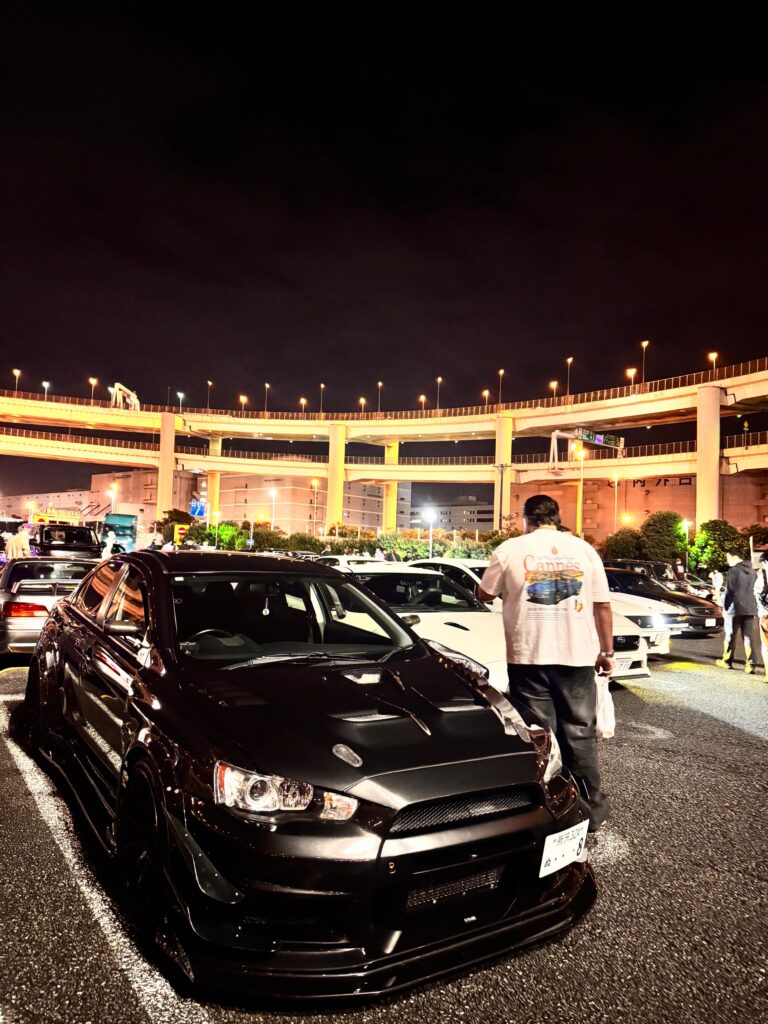
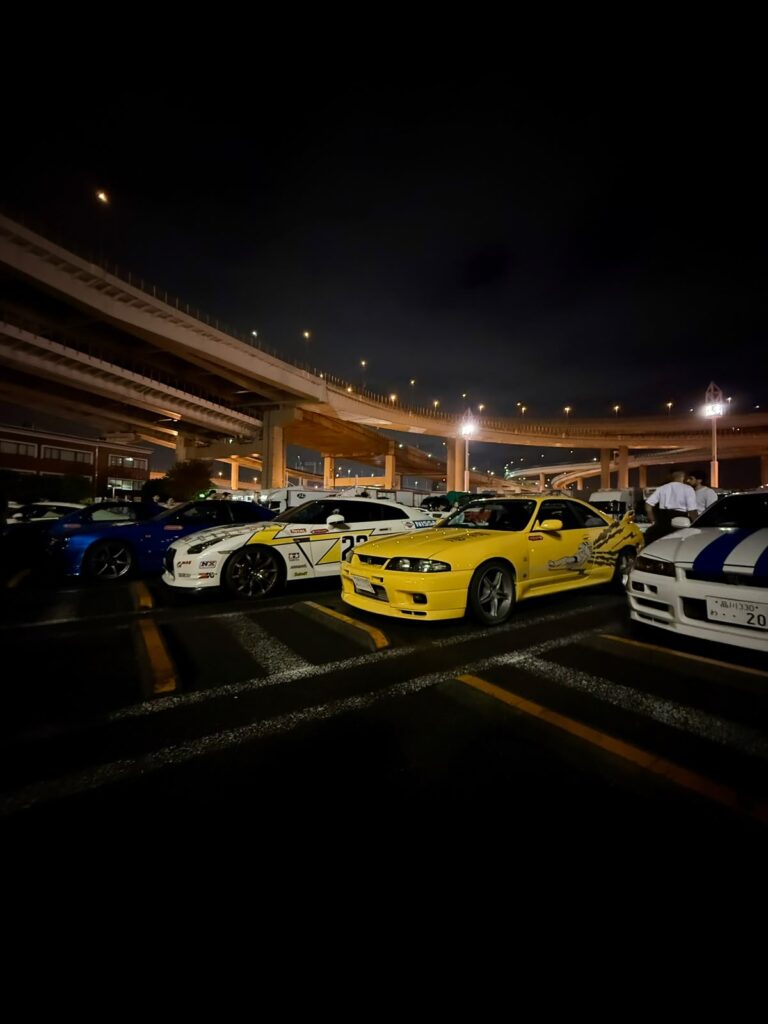
For me, it was a must-visit. I love the movie Fast & Furious: Tokyo Drift, so being there at night and seeing JDMs driving around was a real bucket-list moment.
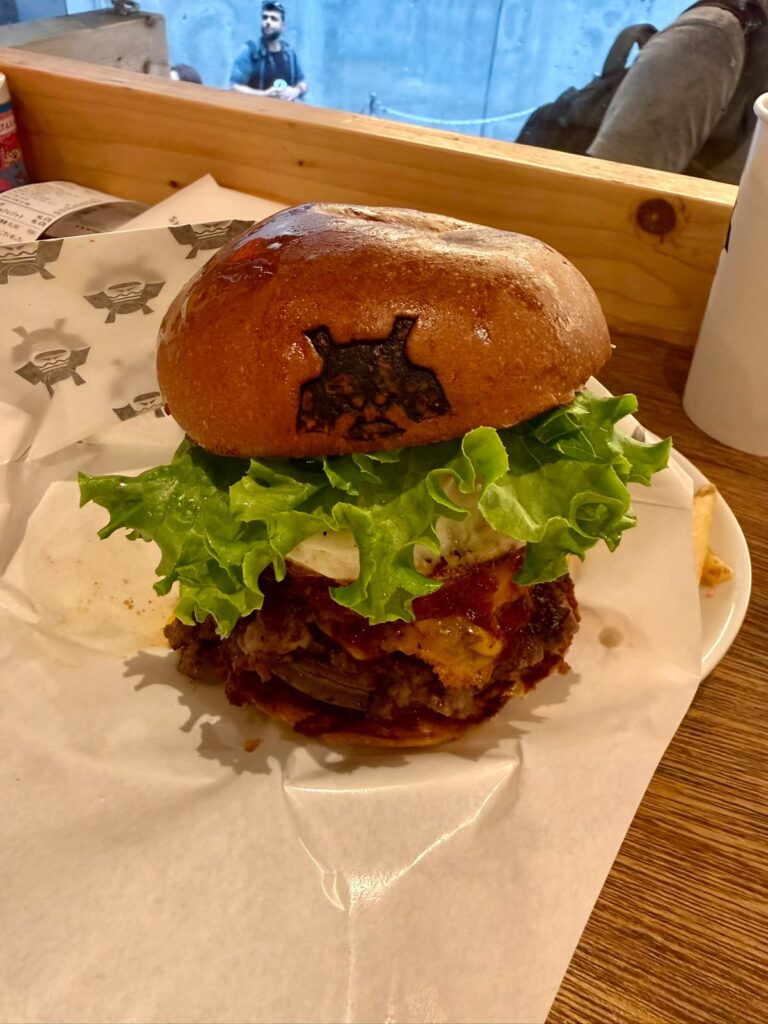
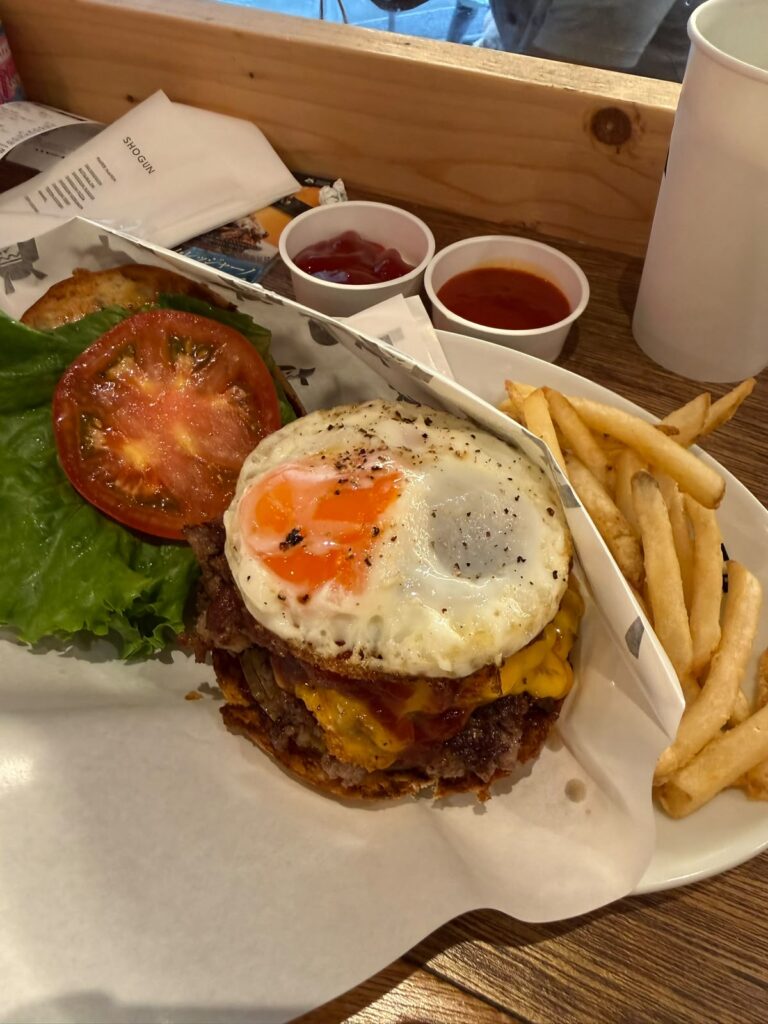
Whilst we were there, we stopped for food at a small restaurant called Shogun Burger for their Wagyu burgers. They have a great customisable menu. I ordered the double Wagyu with cheese and an egg. They also have other locations scattered around Tokyo.
Harajuku – street style and weirdly perfect chaos
Harajuku is completely different. It’s more creative, younger, a bit more playful, and probably my favourite district. Takeshita Street is where you’ll see everything from giant crepes and vintage fashion stores to outfits you didn’t even know existed.
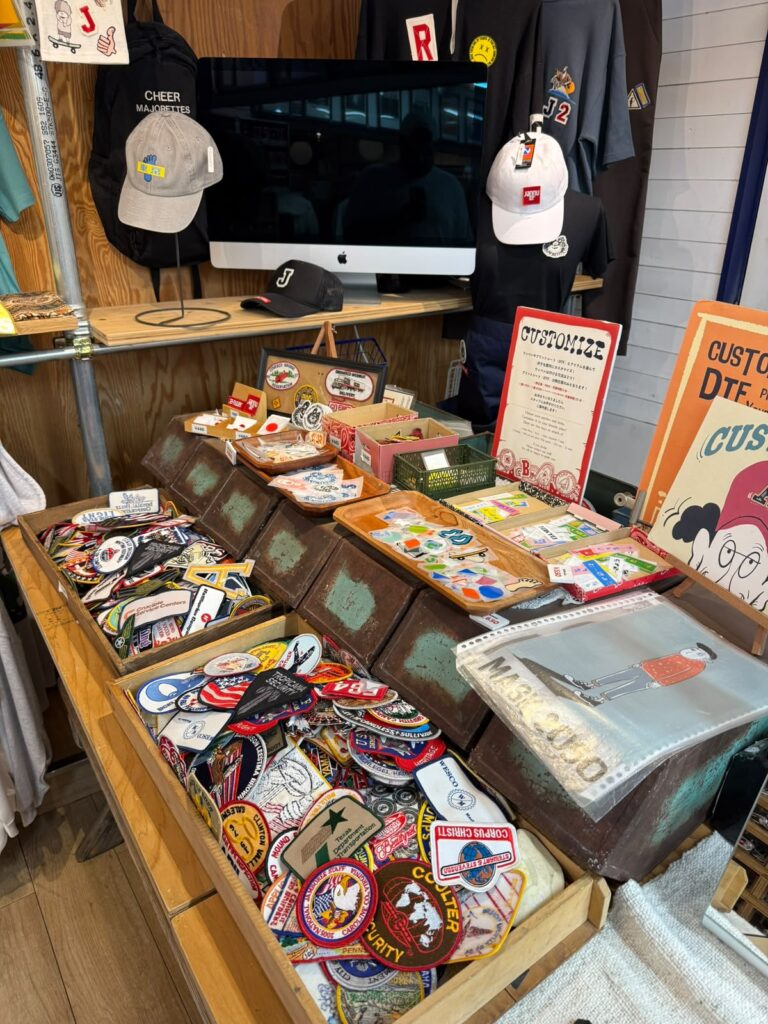
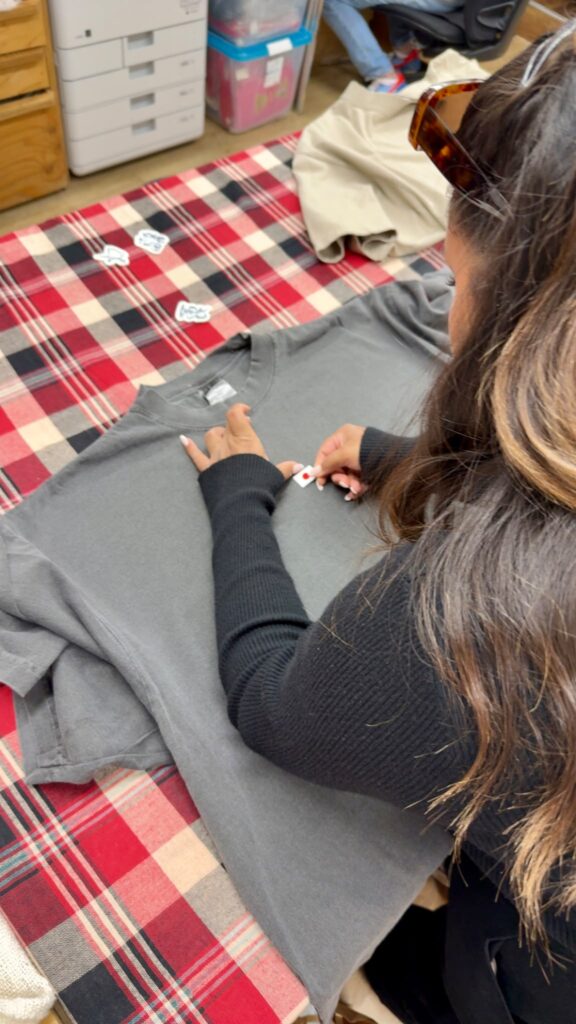
It’s also where Tokyo’s fashion culture really shines. People dress like it’s a runway just to go for a walk, and it somehow doesn’t feel forced. It’s just self-expression everywhere you look. I found a vintage clothing shop selling blank T-shirts, and they had an area where you could customise them with different graphics and stamps.
Just next to it, you’ve got calmer streets and Meiji Shrine, which completely changes the vibe. One minute you’re in neon chaos, the next you’re walking through a peaceful forest shrine. That contrast is very Tokyo.
Asakusa – old Tokyo and tradition
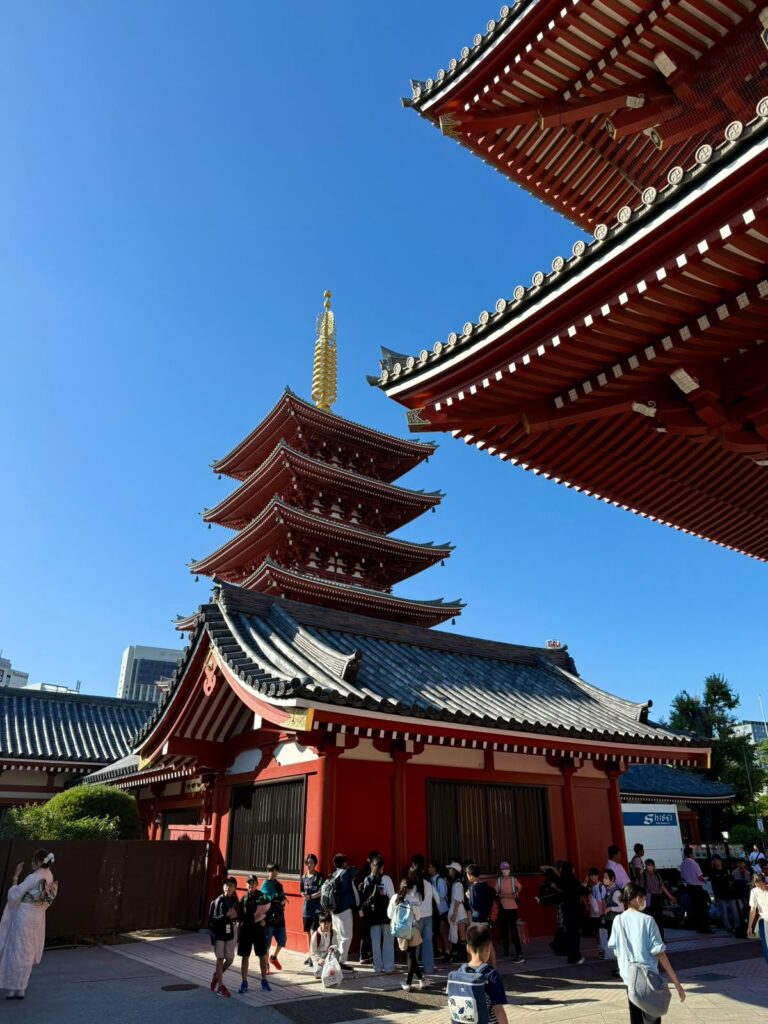
Asakusa feels like stepping into a different era. This is where you go for traditional Tokyo. The main attraction is Sensō-ji Temple, and the walk up to it through Nakamise Street is full of little snack stalls, souvenirs, and street food.
Everything here feels slower and more cultural. It’s a good reminder that Tokyo isn’t just futuristic skyscrapers; it still holds on to its history in a really beautiful way. If you want somewhere calmer to explore during the day, this is perfect.
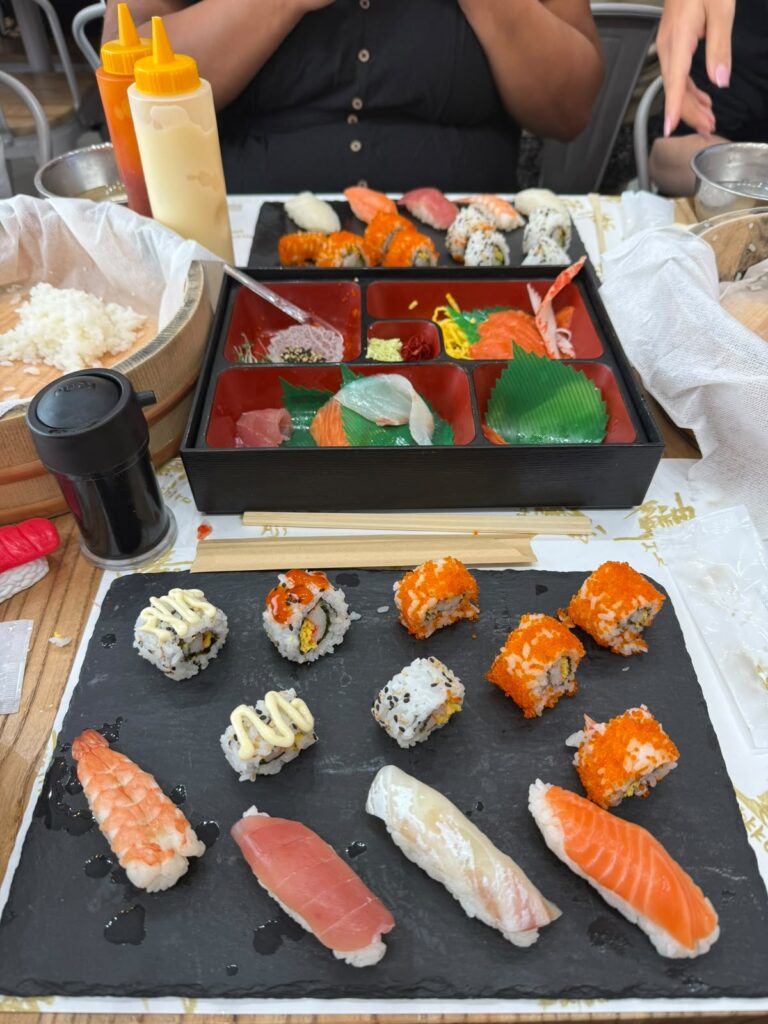
Whilst we were there, we booked a matcha-making class and a sushi-making class. Both were great experiences, and I’d highly recommend doing them.
Akihabara – anime, gaming, and sensory overload
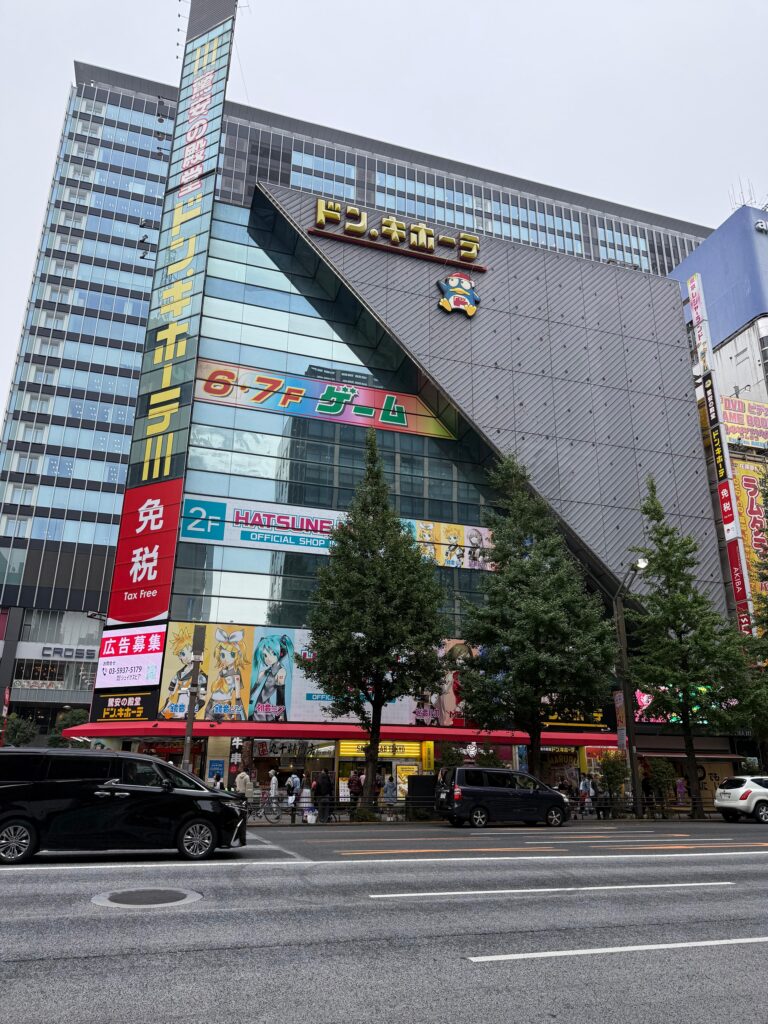
Akihabara is honestly one of the most unique places I’ve ever been. Even if you’re not into anime or gaming, it’s still worth visiting just for the experience.
It’s packed with electronics shops, arcades, manga stores, claw machines, themed cafés, and multi-floor gaming centres. It’s loud, bright, and a bit overwhelming, but in a fun way. This is where your inner child might come out.
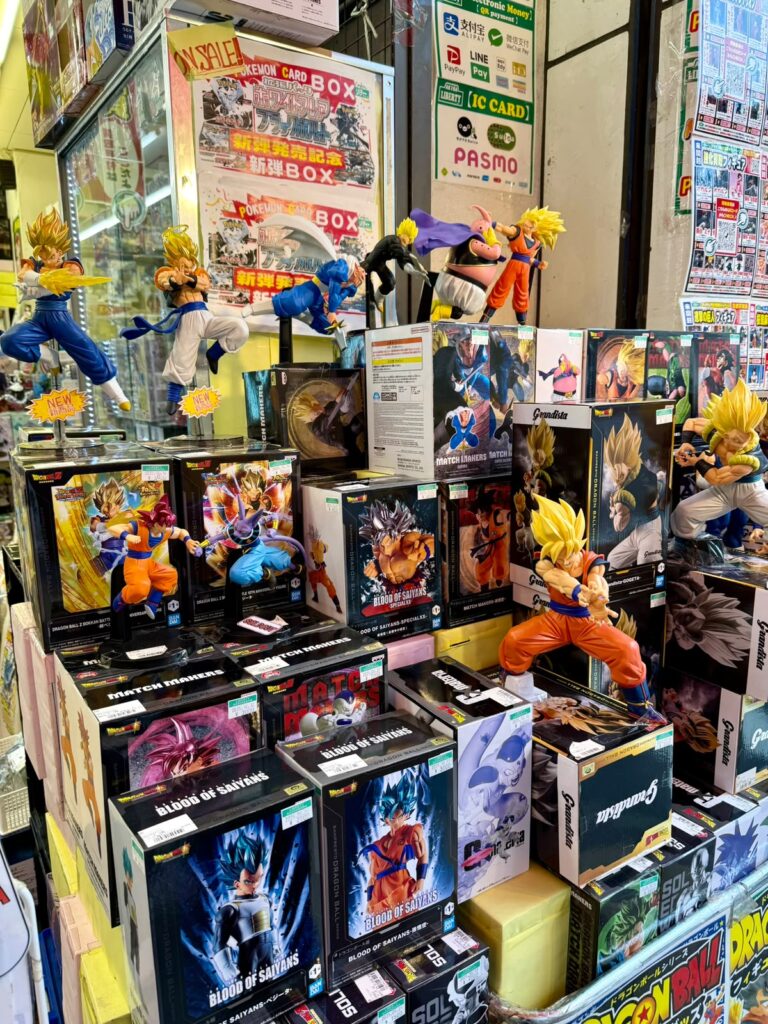
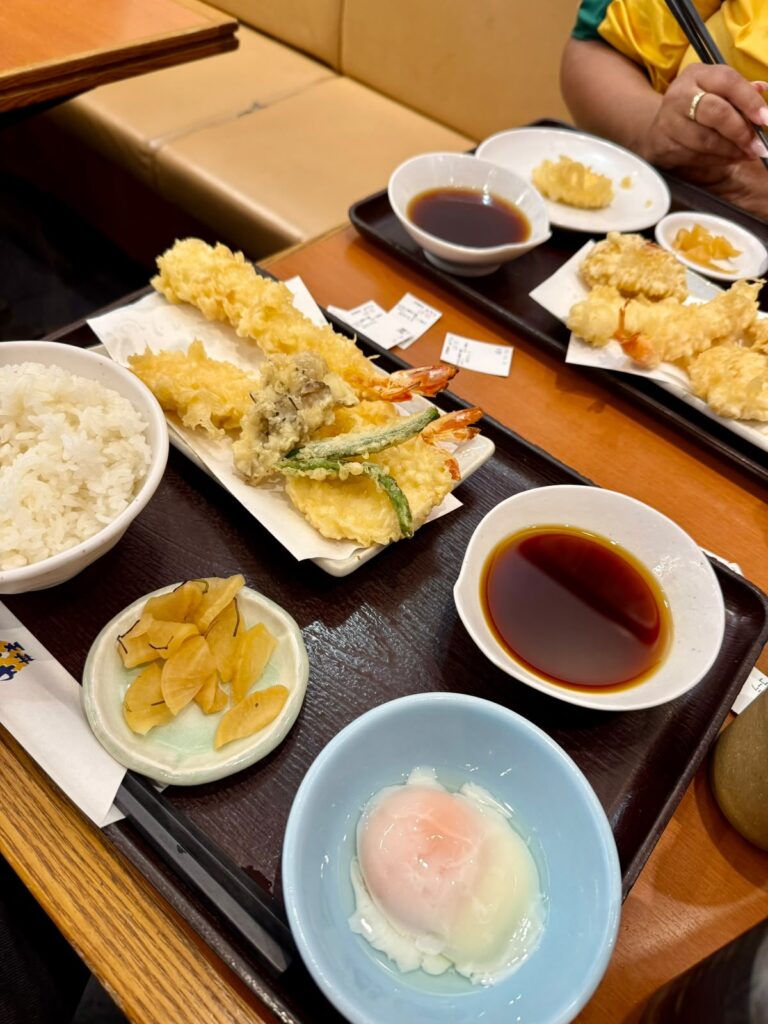
You can find all sorts of things here, from a boxed original PlayStation One to countless Pokémon card vendors, Dragon Ball Z figures, and some great restaurants. I highly recommend visiting a shop called “Super Potato”. Walking around in there felt like going back in time and was a fantastic experience for anyone into video games.
Ginza – luxury, calm, and polished Tokyo
Ginza is the complete opposite of Akihabara. It’s clean, quiet, and very high-end. Think designer stores, luxury hotels, and some of the most polished streets in the city. It feels more like London or New York, so if that’s your thing, you’ll love Ginza.
It’s not really a place you go for chaos or excitement. It’s more about walking, shopping, and experiencing the premium side of Tokyo. Even the architecture feels more refined here.
What I liked most was how calm it feels compared to the rest of the city. You can actually slow down here.
Shinjuku – everything at once
Shinjuku is probably the most “Tokyo” place out of all of them because it has everything at once: skyscrapers, neon lights, business-district energy, tiny hidden bars, huge department stores, and one of the busiest train stations in the world.
Kabukicho is the famous nightlife area. It’s bright, loud, and a bit chaotic, but walk a few streets away and you’ll find tiny alleyways with hidden izakayas that feel completely different.
Shinjuku is also where you really feel the scale of Tokyo. The skyline at night is incredible, especially from rooftop bars or observation decks.
Food, convenience, and daily life
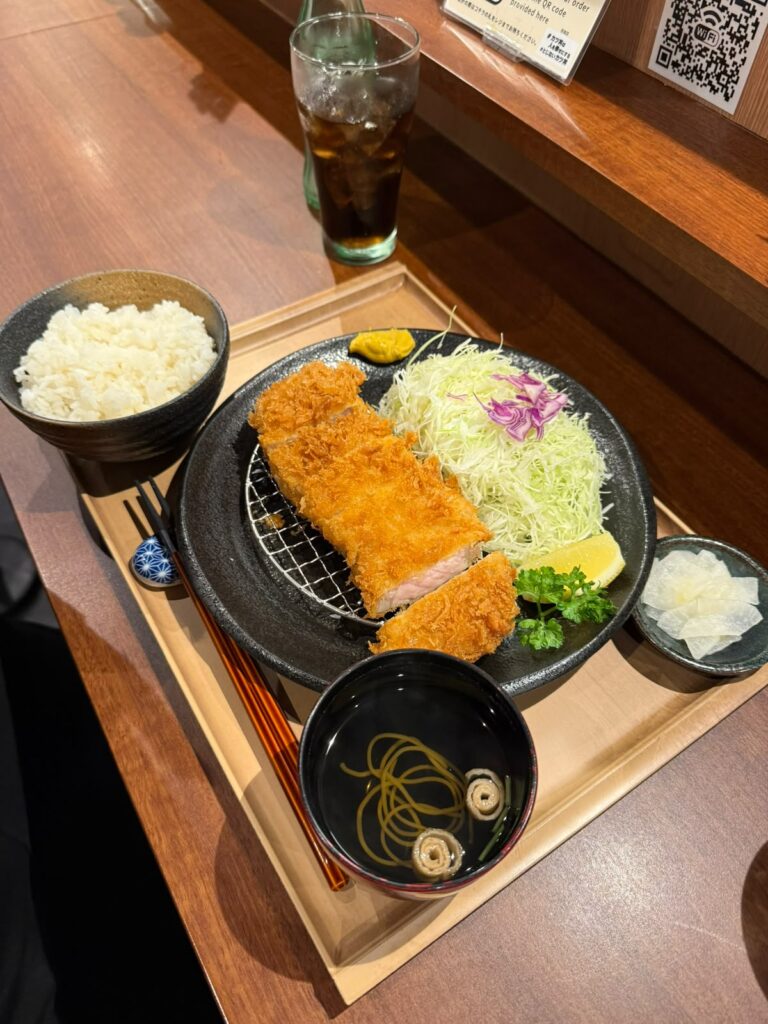
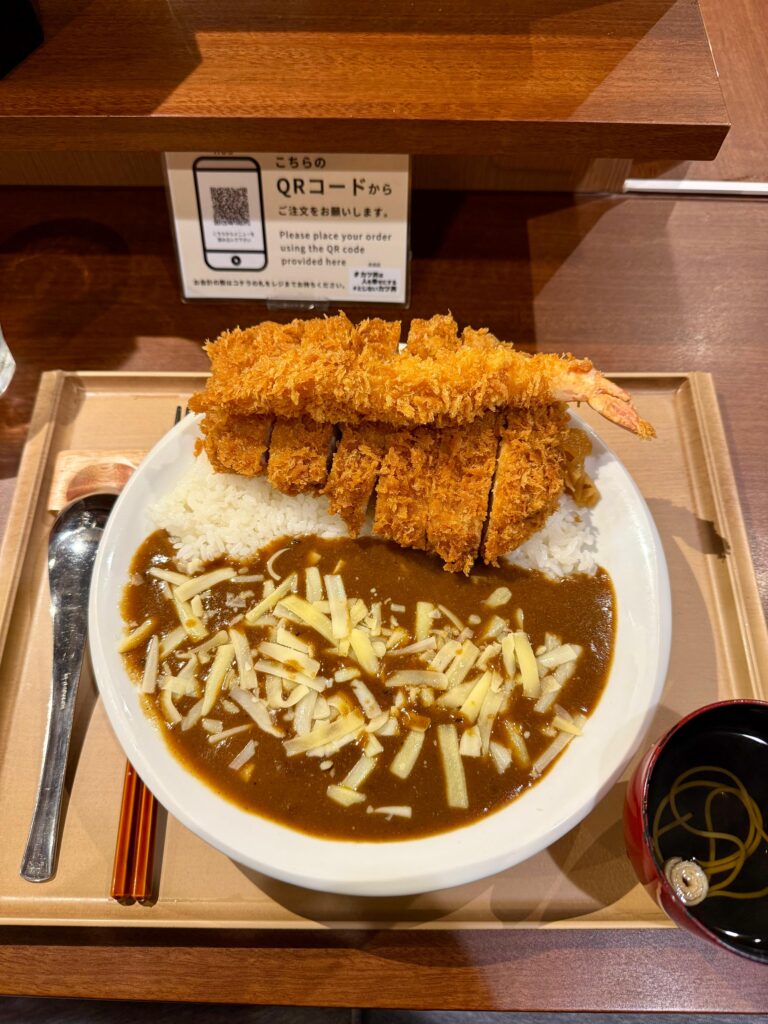
One thing I didn’t expect was how easy it is to eat well in Tokyo without spending loads. You can get incredible ramen, sushi, and street food for very reasonable prices if you avoid the super-touristy spots.
Do some research on Google Maps and you can easily find amazing restaurants that won’t break the bank, but be prepared to queue. These places are often extremely popular with both locals and tourists, so it’s always worth having a backup restaurant in mind.
Convenience stores are also on another level. 7-Eleven, FamilyMart, and Lawson are genuinely life-saving for quick meals, snacks, and even proper hot food. We had dinner from 7-Eleven one night and, whilst it’s not restaurant-quality food, I was genuinely impressed by what you get for the price.
Also, don’t skip the Japanese egg sando. It’s worth the hype and more.
Final thoughts
Tokyo is one of those cities where every single district feels like a different trip in itself. You can go from traditional temples in Asakusa to neon chaos in Shibuya to anime overload in Akihabara all in one day, and somehow it still feels smooth and easy to navigate.
It’s busy, it’s overwhelming at times, but it’s also one of the most fascinating cities in the world. Like Singapore, it completely lives up to the hype, just in a very different way.
GO TO DAIKOKU